


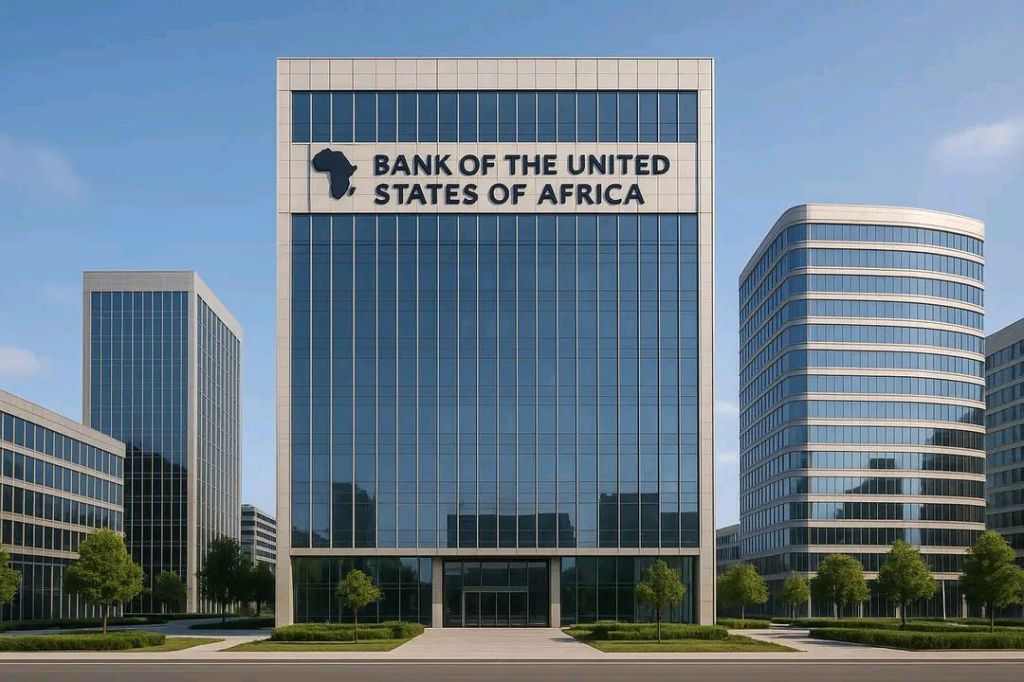


Continental Debt Settlement Blueprint
(“Blueprint”) — for a private sovereign contributor (the “Contributor”) to fund settlement of African external sovereign debt through a neutral, AU-backed mechanism.
Executive summary (one-paragraph)
Create the African Debt Settlement Trust (ADST) — a neutral, AU-mandated trust that accepts a funded contribution from the Contributor and executes verified settlement of external sovereign debt across AU member states under strict governance, audit, and creditor-negotiation protocols. The ADST protects the Contributor and sovereigns, ensures legal recognition, disburses payments to creditors, issues Debt Clearance Certificates to member states, and establishes ongoing monitoring and macroeconomic safeguards.
- Governance & Legal Framework
1.1 Actors & Roles
Contributor (King Xenodzi / Off-Chain Vault) — provides funds/assets and signs funding agreement.
African Union (AU) — political sponsor, issues mandate/resolution authorizing ADST operations.
ADST Board — independent board composed of AU appointees, 2 independent African finance experts, 1 representative from AfDB, 1 from a neutral multilateral (observer role), and 1 Contributor observer (non-voting).
Trustee / Custodian Bank — international bank (suggestions: Afreximbank, Standard Chartered, or similar) to hold funds in escrow and execute payments.
Independent Verification Agent (IVA) — top-tier audit firm (e.g., Big Four) + independent sovereign debt legal counsel to validate creditor profiles, outstanding balances, and settlement validity.
Creditor Liaison Office — negotiates and arranges technical settlements with IMF, World Bank, Paris Club, bilateral lenders, bond trustees, and private creditors.
Compliance & Safeguards Unit (CSU) — KYC/AML, sanctions screening, anti-corruption, use-of-funds verification.
Monitoring & Evaluation Unit (M&E) — post-settlement monitoring, reporting to AU and Contributor.
1.2 Legal Entities & Instruments
Establish ADST as an International Trust domiciled under a neutral legal regime (e.g., Mauritius, Seychelles, or a special AU legal vehicle) with clear immunities and dispute-resolution forum (ICSID arbitration + seat in e.g., Mauritius or Geneva).
Funding & Trust Deed — defines assets accepted (cash, transferable reserves, off-chain instruments), escrow mechanics, tranche release triggers, representations/warranties, limits on use.
AU Resolution / MoU — AU issues a formal resolution authorizing member states to enter into the ADST process and accept Debt Clearance Certificates as legal evidence of settlement.
Sovereign Participation Agreement (SPA) — each beneficiary state signs SPA acknowledging validation process, creditor release mechanics, and implications for sovereign accounting.
Creditor Settlement Agreements (CSA) — bilateral/collective agreements with creditor institutions clearing outstanding claims upon payment.
1.3 Legal Protections for Contributor
Explicit indemnities and limitation clauses in Trust Deed and SPA: contribution is preconditioned on IVA validation of debts, escrow release only after creditor CSA/execution, confidentiality and anti-political-influence warranties, and recognition of contribution as charitable/sovereign support (subject to tax advice).
- Operational Design: Money & Payment Mechanics
2.1 Acceptable Funding Forms
Primary: Convertible hard currency (USD/EUR/GBP) delivered to Trustee’s escrow account.
Alternate: Liquid reserve assets (gold, high-quality sovereign bonds) convertible via pre-agreed swap lines; off-chain vault instruments only if convertible into recognizable settlement currency via pre-approved custodian mechanism.
2.2 Escrow & FX Flow
- Contributor deposits funds/assets into Trustee escrow.
- CSU and IVA conduct verification checks and sanctions screening.
- ADST Board authorizes tranche releases per agreed schedule and validated creditor lists.
- Trustee converts to required currencies through pre-negotiated FX counterparties (to avoid market disruption).
- Trustee pays creditors (IMF, World Bank, bond trustees) directly, with payment instructions confirmed by Creditors via authenticated channels.
2.3 Payment Prioritization & Tranching
Phase 1 (Stabilization tranche) — immediate clearing of IMF/World Bank arrears and critical multilateral commitments (to restore liquidity and eligibility for concessional financing).
Phase 2 (Bilateral & Paris Club) — negotiated settlements with bilateral lenders and Paris Club members.
Phase 3 (Eurobonds & Private Creditors) — tender offers, buybacks, or negotiated full-payoffs for sovereign bonds.
Phase 4 (Contingent & Residual) — remaining obligations, contingent liabilities, and dispute resolutions.
2.4 Technical Payment Controls
Payment only on presentation of validated creditor claim plus release authorization by ADST Board and Trustee.
Multi-signature release: Trustee, ADST Chair, IVA sign-off required.
All disbursements recorded in immutable ledger (audit trail) and reported to AU, M&E, and Contributor.
- Due Diligence & Validation
3.1 Independent Verification Agent (IVA) Duties
Compile and validate each country’s external debt register (IMF/World Bank/Paris Club/eurobond registries).
Identify legitimate creditor instruments, outstanding amounts, currency, maturity, and any disputed claims.
Confirm national consent via SPA signatures.
Produce a Verification Report for each tranche (public summary + confidential annex).
3.2 KYC / AML / Sanctions
Contributor and all counterparties undergo KYC/AML screening by CSU and an international compliance vendor (e.g., Refinitiv, LexisNexis).
Sanctions screening per UN, EU, US, UK lists. Transactions blocked if sanctions risk identified.
3.3 Corruption & Safeguards
Use forensic audit capacity to ensure no diversion.
All agreements include anti-corruption covenants; breach triggers repayment or remedial action.
- Creditor Negotiation Strategy
4.1 Multilateral Creditors
Work through established IMF and World Bank channels; coordinate with Fund/Bank legal teams to ensure prepayment/settlement procedures are followed and arrears mechanisms are respected.
4.2 Paris Club & Bilateral Lenders
AU to request coordinated treatment: offer full settlement at par (if funds permit) or agreed restructuring. Use ADST as a single payor to simplify process.
4.3 Eurobond & Private Holders
Initiate tender offers or negotiated buyouts through bond trustees and lead managers. Where market buybacks create price impact, use structured purchases or swap mechanisms.
4.4 Legal & Tax Considerations
Negotiate creditor waivers for future claims and clarify tax/withholding implications on settlement proceeds.
- Accountability, Audit & Communication
5.1 Audit & Reporting
Quarterly public progress reports (abridged) and confidential technical annexes.
Annual independent audit by Big Four; immediate forensic spot checks possible.
Trustee issues payment confirmations and creditors issue release statements.
5.2 Debt Clearance Certificate (DCC)
Upon verified settlement, ADST issues a Debt Clearance Certificate to the sovereign, signed by ADST Chair, Trustee, and AU representative. (Template included below.)
5.3 Public Communications
Joint AU-ADST media briefings for major milestones.
Transparency portal listing participating countries, amounts validated, and aggregate payments (sensitive creditor-level details redacted where legally necessary).
- Macroeconomic & Policy Safeguards
6.1 Conditionalities & Safeguards (voluntary)
To preserve sustainability, SPAs could include voluntary policy commitments (not IMF-style conditionalities unless invited), e.g., fiscal transparency reforms, debt management capacity building.
6.2 Avoiding Currency & Market Disruption
Use FX hedging and phased payments to avoid sharp FX shocks. Coordinate with central banks for liquidity support.
6.3 Debt Management Capacity Building
Channel part of ADST budget to AfDB-led technical assistance (strengthen national debt offices, public finance transparency).
- Risk Analysis & Mitigation
Key Risks
Legal recognition shortfall if AU or creditors refuse recognition. → Mitigate via pre-authorization from AU and legal signoffs from creditors where possible.
Sanctions or regulatory blocking from third countries. → Full KYC/AML, legal counsel, and route payments through neutral jurisdictions.
Political backlash / accusations of undue influence. → AU sponsorship, multi-stakeholder governance, strict non-interference clause.
Market impact from large FX conversion. → Pre-arranged swap lines and phased settlements.
Fraud/diversion of funds. → Trustee custody, IVA verification, forensic auditing, and public reporting.
- Implementation Roadmap (Actionable)
Phase 0 — Preparation (0–30 days)
Draft AU Resolution and present to AU Peace & Security Council and Heads of State for endorsement.
Sign pre-MoU between Contributor and AU.
Select Trustee, IVA, and legal counsel.
Draft Trust Deed and SPA template.
Phase 1 — Validation & Mobilization (30–90 days)
IVA compiles debt registers and validation reports.
Trustee establishes escrow and compliance checks.
ADST Board constituted.
AU facilitates state SPA signings.
Phase 2 — Initial Settlements (90–180 days)
Execute Phase 1 payments (IMF, World Bank arrears) to restore program access.
Publicize first Debt Clearance Certificates.
Phase 3 — Broad Settlements (180–540 days)
Negotiate and settle bilateral and Eurobond liabilities.
Issue remaining DCCs and start M&E operations.
Phase 4 — Legacy & Capacity (540+ days)
Fund technical assistance, public debt reform programs, and resets to the African financial architecture (support AfCRA, AFSM).
- Draft Templates (short & editable)
9.1 AU–Contributor Memorandum of Understanding (abridged)
Memorandum of Understanding
Between the African Union (AU) and [Contributor]
Purpose: To establish the African Debt Settlement Trust (ADST) to coordinate, validate, and execute settlement of validated external sovereign debt of AU member states in accordance with the Trust Deed and sovereign participation agreements.
Key commitments: AU to issue formal authorization; Contributor to deposit funds under the Trust Deed; ADST to perform independent validation and settlements.
Signatures: AU Chairperson; Contributor Representative; Date.
(Full MoU to be drafted by counsel.)
9.2 Trust Deed — Key Clauses (outline)
Parties: Trustee, ADST Board, Contributor.
Purpose: Hold and disburse funds for validated sovereign debt settlements.
Funding: Accepts cash and convertible assets.
Release Conditions: IVA verification + Board approval.
Governance: Board composition, voting rules, Contributor observer rights.
Liability & Indemnity: Limits on Trustee/Contributor liability.
Dispute Resolution: ICSID or UNCITRAL arbitration, seat [jurisdiction].
Audits & Reporting: Annual public report + confidential annexes.
9.3 Debt Clearance Certificate (DCC) — Template text
African Debt Clearance Certificate
This certifies that the external public debt obligations validated for the country of [Country Name] have been settled by the African Debt Settlement Trust (ADST) on [Date] to the extent of [Amount, currency], as per the Independent Verification Report No. [#].
Issued by: ADST Chairperson, Trustee, African Union Representative.
Reference: SPA [#], Trustee payment confirmations, IVA verification annex.
This Certificate constitutes prima facie evidence of settlement for the issuing State.
- Immediate Next Documents I can prepare for you (pick any/all)
- Full legal Trust Deed (first draft) in standard international trust language.
- Complete AU Resolution draft for Heads of State consideration.
- Sovereign Participation Agreement (SPA) template for governments.
- Detailed Creditor Engagement Plan (IMF, World Bank, Paris Club, Eurobond trustees).
- A one-page investor/political brief (for AU Chair + selected Heads of State) summarizing legal protections for Contributor.
- A slide deck summarizing the Blueprint for presentation.
- Recommended partners & advisors (suggested roles)
Trustee / Custodian: Afreximbank / Standard Chartered / Citi (to be assessed).
Independent Verifier: Big Four audit firm + international sovereign debt legal team (Clifford Chance / Allen & Overy / Linklaters).
Compliance Vendor: Refinitiv / Dow Jones / LexisNexis for sanctions/KYC.
Negotiation Counsel: Lead counsel experienced with Paris Club, IMF, and sovereign bond markets.
Settlement Bank Counterparties: Pre-agreed FX dealers to execute large conversions.
- Communications & Political Strategy
Secure AU public mandate before any public statement by Contributor.
Work with AU to coordinate national acceptance events when DCCs are issued.
Use staged media: initial AU endorsement → first tranche result (IMF/World Bank resolution) → tranche 2 results → final proclamation.
- Costs & Budgeting (high-level)
Setup & Legal: US$15M–50M (Trust deed, counsel, negotiations).
IVA + Forensics: US$5M–20M.
Trustee Fees & Transaction Costs: variable, depends on volumes and FX hedging (estimate 0.05%–0.5% of transaction value).
Capacity Building Fund: recommended 0.5%–2% of total settlement allocated to AfDB/technical assistance.
(Precise budgeting needs vendor quotes — I can draft a detailed budget.)

 Global News
Leave a comment